Trade
Who actually pays a tariff
The importer of record pays the duty to Customs at the border; who ultimately bears the cost depends on contracts, supply chains, and how much prices can move.
Priya Vaithilingam · August 28, 2026
Trade examines the rules that govern goods crossing borders: tariff schedules and exclusions, rules of origin, customs classification, export licensing and controls, and the agreements behind them. Explainers work each change through to landed cost on a named product. Useful for sourcing managers, trade counsel and manufacturers with international suppliers.
The importer of record pays the duty to Customs at the border; who ultimately bears the cost depends on contracts, supply chains, and how much prices can move.
Priya Vaithilingam · August 28, 2026Commerce sets the margin, the International Trade Commission sets the injury finding, and the statutory clock between them decides when importers start paying.
Priya Vaithilingam · August 20, 2026
US and Mexican negotiators opened a third round of bilateral discussions in July 2026, with rules of origin as the prize and auto supply chains as the stakes.
Priya Vaithilingam · July 27, 2026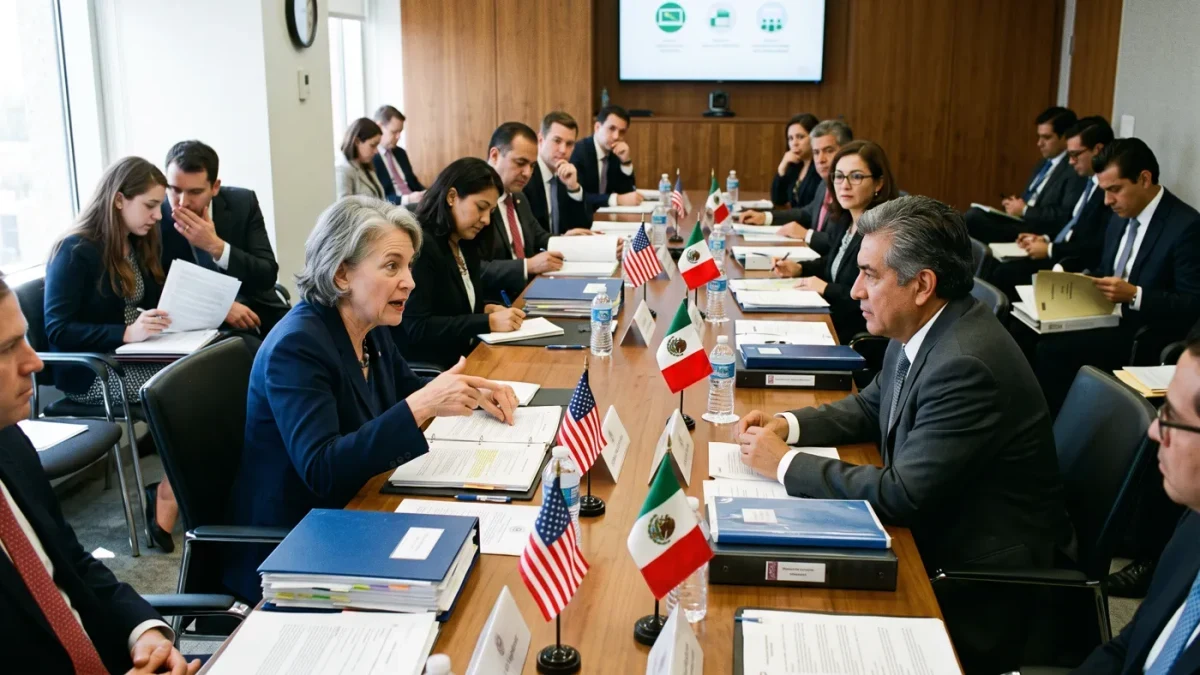
Fees on Chinese-built vessels touch every carrier calling at US ports, and the cost shows up in freight rates and fleet orders.
Priya Vaithilingam · July 5, 2026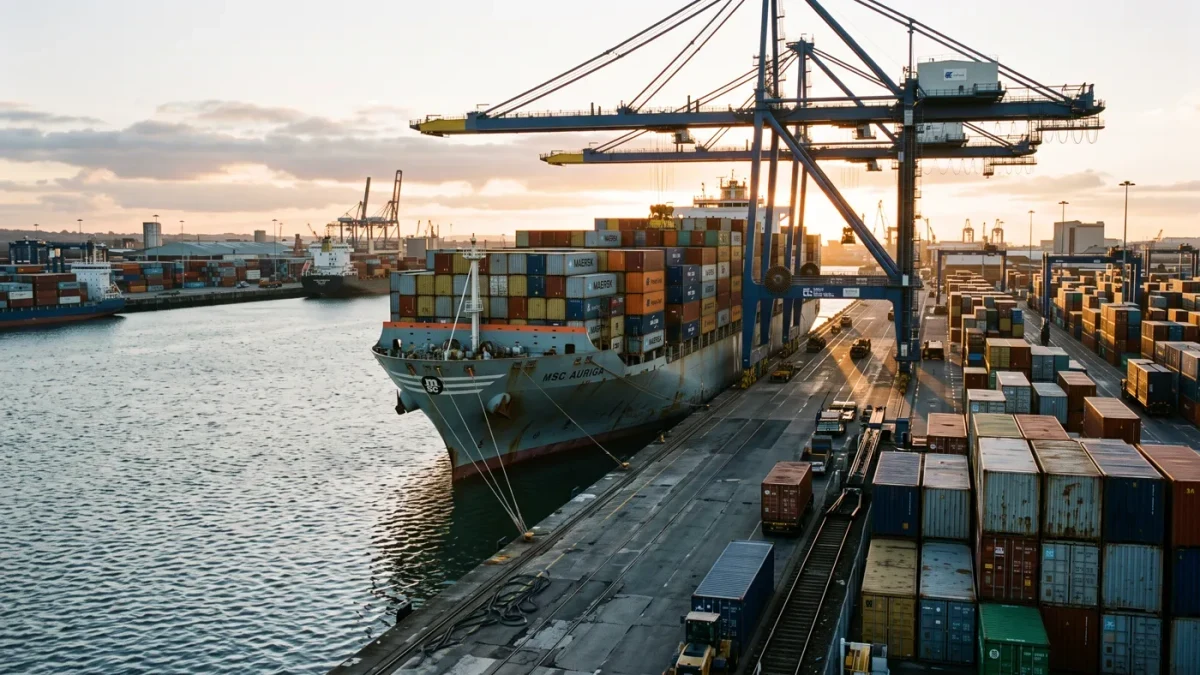
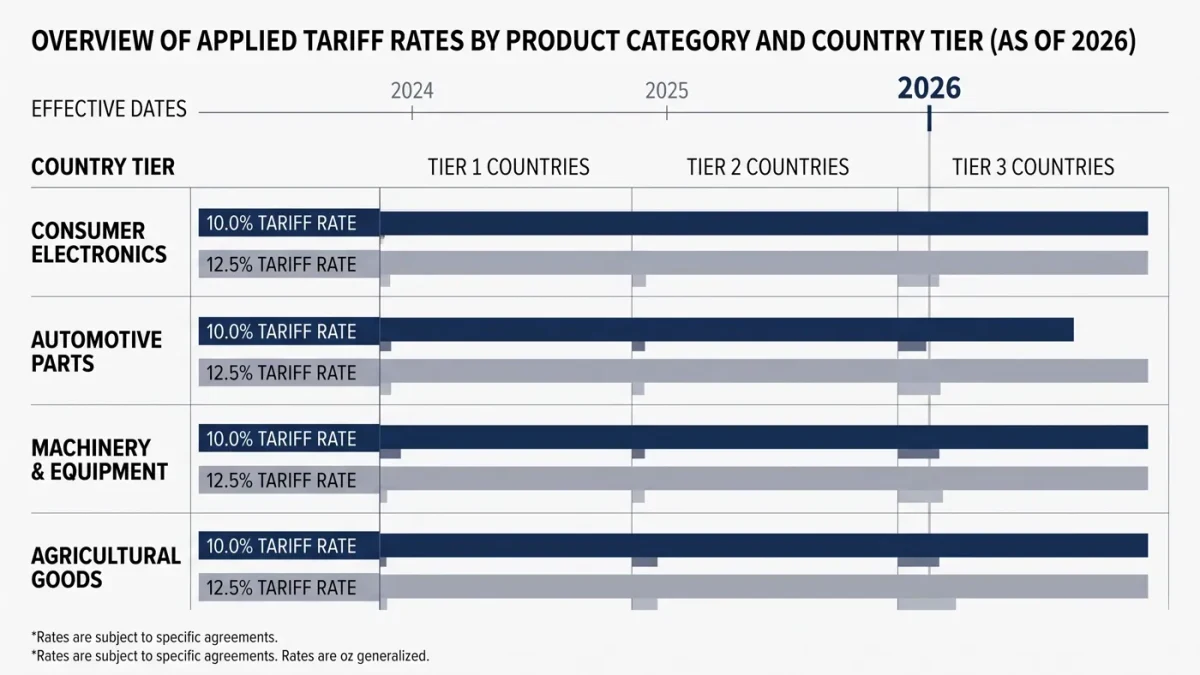
Additional tariffs of 10% and 12.5% took effect in 2026 under the unfair-trade statute — a slower, sturdier vehicle than the invalidated emergency path.
Priya Vaithilingam · June 12, 2026